QR Code Check-In vs Biometric Attendance: Which Is Right for Your Gym?
Biometric devices are the traditional answer for gym attendance in India. QR check-in is the newer, cheaper one. Here's an honest comparison, not a sales pitch for either.
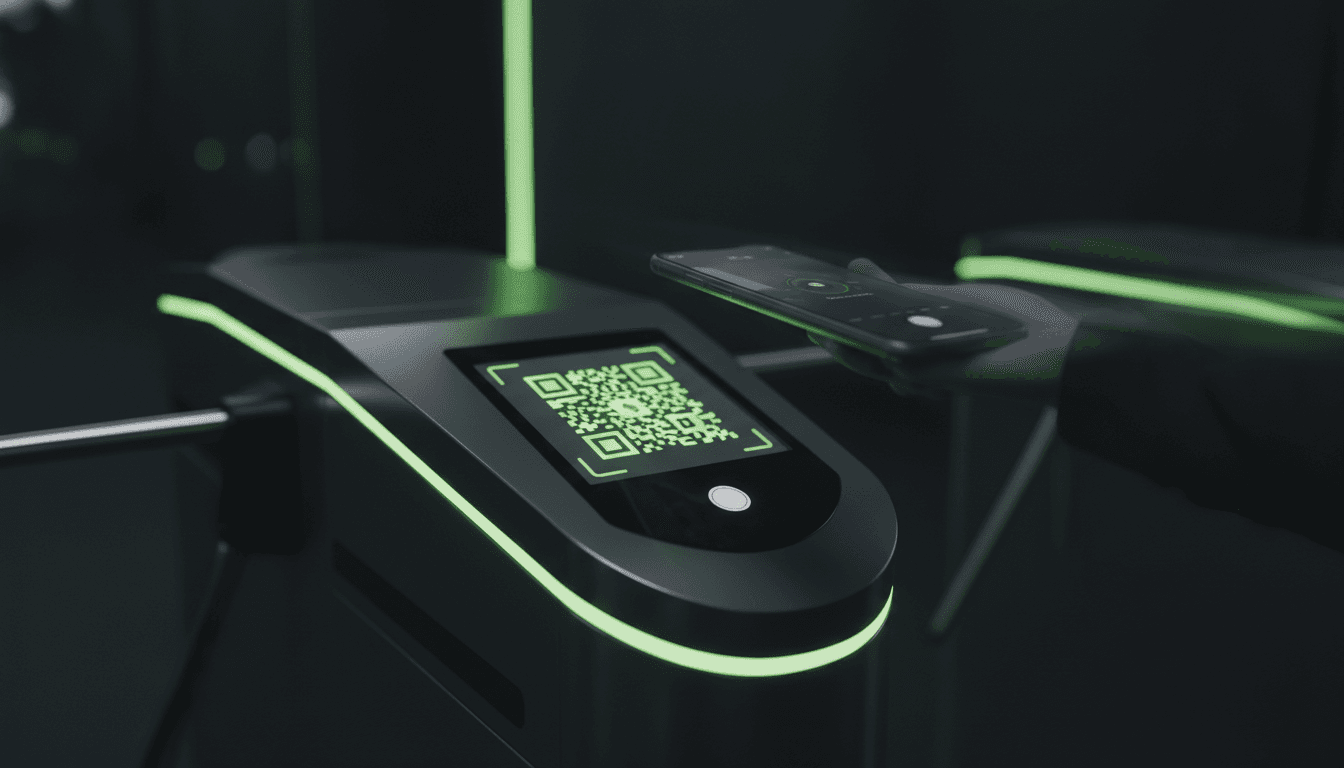
Biometric fingerprint devices have been the default answer for gym attendance in India for years, and for good reason: they're tamper-proof, they don't require a member to have their phone, and they produce a clean audit trail. QR-code check-in is the newer alternative, and it solves a different set of problems at a very different cost.
Where biometric wins
A fingerprint can't be shared, borrowed, or forgotten at home — which matters most when attendance data feeds something with money attached to it, like trainer commission calculated on session counts, or an access-control door that shouldn't open for a lapsed membership. For gyms where attendance data has real financial or security weight, biometric earns its cost.
Where QR check-in wins
A QR system needs no device purchase, no per-location hardware maintenance, and no downtime when a scanner breaks — it's a printed code or a screen at the entrance, and it works with a phone every member already carries. It can go live at a new location the same day, versus ordering and installing biometric hardware. For most gyms, where attendance is about tracking engagement and triggering renewal/churn logic rather than gating a locked door, that's the more practical tradeoff — even if the software itself carries a subscription cost, avoiding hardware spend and installation time is real savings.
The honest tradeoff
QR check-in can be proxied — a member could hand their phone or code to a friend — in a way a fingerprint can't. How much that matters depends entirely on what the attendance data is used for: if it's just an engagement/retention signal, an occasional proxied check-in barely moves the number. If trainer commission or door access genuinely depends on exact attendance, that gap is worth taking seriously, not waving off. For a gym running commission-on-session-count as a real financial mechanism, or one that needs actual door access control, biometric's tamper-resistance is worth the hardware cost. It's not that one is universally better — they're solving different problems at different price points.
Where FitNexus fits
FitNexus's QR check-in (a Pro-tier feature) needs no dedicated hardware — check-in happens through the FitNexus app, not a standalone scanner a gym has to buy and maintain. It's the right choice for the attendance-tracking-and-engagement use case most gyms actually have. If a gym's specific need is commission-grade tamper-proof attendance or door access control, that's a real, valid reason to run biometric hardware alongside it — this isn't a claim that QR replaces every use case biometric covers.
Key takeaways
- Biometric wins when attendance data has real financial or security weight attached to it (commission, access control).
- QR wins on cost, setup speed, and using a device every member already has — the right default for most gyms.
Free to start, no credit card required
See FitNexus pricing